
Koh Lanta
A peaceful Andaman Sea island known for long beaches, relaxed vibes and local culture
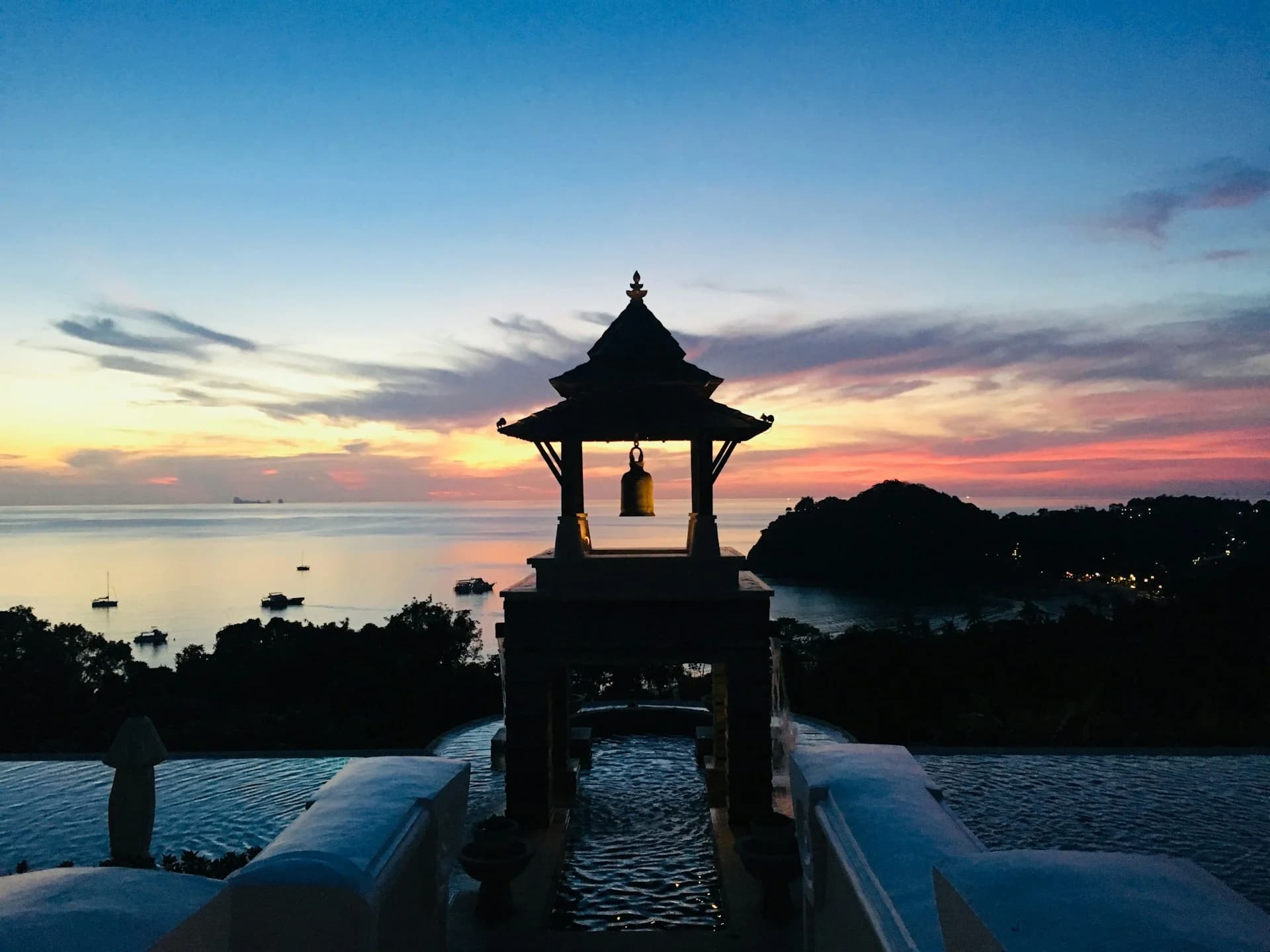
Highlights
- Long, scenic beaches such as Klong Dao, Long Beach (Pra Ae), Klong Nin, and Kantiang Bay
- Lanta Old Town with its wooden shops, piers, and heritage buildings
- Mu Ko Lanta National Park at the island’s southern tip
- Mangrove exploration and kayaking in Tung Yee Peng
- Waterfalls, caves, and nature trails inland
- Laid-back nightlife and sunset beach bars
Koh Lanta is one of Thailand’s most relaxed island destinations, known for its long golden beaches, quiet atmosphere, and a perfect blend of nature and slow island living. Unlike the busier islands of the Andaman Sea, Koh Lanta offers a peaceful escape where travellers can unwind while still having plenty to explore. The island is famous for its friendly communities, impressive coastline, lush mangroves, and easygoing charm.
Koh Lanta travel appeals to people looking for laid-back holidays with uncrowded beaches, excellent diving, and a more authentic local vibe. Popular areas like Klong Dao, Long Beach, and Kantiang Bay offer comfortable resorts, beach bars, and spacious stretches of sand, while the southern part of the island is greener and more rugged. Inland, you’ll find small villages, rubber plantations, and viewpoints overlooking the sea.
Many visitors love Koh Lanta because it’s big enough to explore but calm enough to feel like a hideaway. The island is ideal for families, couples, digital nomads, and long-stay travellers who prefer a slower pace than nearby Phuket or Krabi. Nature lovers will appreciate Mu Ko Lanta National Park at the southern tip, while divers flock to world-class sites like Koh Haa and Hin Daeng.
Days here can be spent hopping between beaches, kayaking through mangroves, discovering the charming Lanta Old Town, or exploring caves and waterfalls. The island’s warm climate and relaxed energy make it a favourite for travellers who want comfort without crowds.
Wondering how to get to Koh Lanta? You’ve got several easy options:
By Air
The nearest airports are Krabi Airport (KBV) and Trang Airport (TST). From either airport, travellers continue by minivan or taxi to the island.
- Krabi → Koh Lanta: approximately 1.5–2 hours by road plus a short car ferry
- Trang → Koh Lanta: approximately 2–2.5 hours by road plus a short car ferry
- Seasonal boat transfers from Phuket or Koh Phi Phi sometimes operate, depending on weather and sea conditions.
By Ferry
During high season (November to April), ferry routes and speedboats connect Koh Lanta with several nearby destinations.
- Krabi (Ao Nang / Railay / Krabi Town) → Koh Lanta
- Phuket → Koh Lanta
- Koh Phi Phi → Koh Lanta
- Koh Lipe → Koh Lanta (via speedboat)
Ferry schedules may reduce or pause depending on weather and sea conditions, especially during the rainy season.
Combined Tickets
Many operators sell convenient bus + ferry or van + ferry combo tickets from nearby hubs, which simplifies Koh Lanta travel planning:
- Krabi
- Phuket
- Ao Nang
- Trang
- Koh Phi Phi
- Koh Lipe
These combo options are popular with backpackers and slow-travel fans who want a simple way to connect land and sea transport.
Understanding Koh Lanta weather helps you plan the perfect trip and choose the best time for beach days and boat trips.
Climate Overview
Koh Lanta has a tropical monsoon climate with warm temperatures year-round, usually around 27–32°C (81–89°F). Like many islands in the Andaman Sea, the year is divided into dry, hot, and rainy seasons.
Seasons
Dry Season (November–April)
Best beach weather with clear skies, calm seas, and ideal conditions for diving and island hopping. This is peak travel season with more visitors and higher prices.
Hot Season (May–June)
Warm and mostly sunny, with occasional showers. It is still a good time for the beach, usually with fewer crowds and slightly lower prices.
Rainy Season (July–October)
Heavier rain and rougher seas can limit ferry routes and water activities. However, it is a good time for budget travellers who do not mind occasional storms and a quieter island.
Best Time for Beaches & Marine Activities
November to April generally offers the best weather for swimming, diving, and boat trips. Water visibility often peaks between December and April, making it a prime time for underwater activities and day trips to Koh Haa, Koh Rok, and other nearby sites.
Getting around Koh Lanta is simple thanks to several Koh Lanta transport options that make it easy to explore beaches, villages, and viewpoints.
Taxis & Tuk-Tuks
- Local tuk-tuks and taxis are widely available around the main beaches and towns.
- Prices are usually fixed per route and higher than on the mainland.
- They are convenient for short distances and evening trips.
Scooter & Motorbike Rentals
- The most popular way to explore the island independently.
- Great for beach-hopping and discovering quieter areas in the south.
- Helmets are required; always check brakes, lights, and tires before renting.
Rental Cars
- Ideal for families, groups, or those wanting extra comfort.
- The island’s main road runs north to south, making navigation straightforward.
- Helpful during rainy season or when travelling with luggage.
Songthaews (Shared Pickups)
- Operate along the main road but can be irregular and slow.
- Affordable and a local experience, but not reliable for tight schedules.
- Less available late at night.
Bicycles
- Available for rent in some areas, especially near Long Beach and Klong Dao.
- Best for short distances and flatter stretches of road.
- Avoid using bicycles during heavy rain or in the dark due to visibility and road conditions.
Here are some practical Koh Lanta tips to help you make the most of your stay on the island.
Timing & Crowds
- December to March is peak season; book accommodation well in advance.
- November and April often offer great weather with fewer crowds.
- Low season (July–October) is quiet and budget-friendly but comes with more rain and limited boat services.
What to Pack
- Light clothing, swimwear, and comfortable sandals.
- Reef-safe sunscreen and mosquito repellent.
- Dry bags or waterproof pouches for boat trips and island-hopping.
- A light rain jacket if visiting during the rainy months.
- Water shoes for rocky areas and snorkeling spots.
Cultural / Behaviour Tips
- Dress modestly when visiting temples and local villages (shoulders and knees covered).
- Remove shoes before entering homes or sacred places.
- Be mindful of noise in residential areas, especially at night.
- Smile and be polite; locals are generally friendly and welcoming.
Safety & Transport Advice
- If renting a scooter, take photos of any existing damage before you leave the shop.
- Drive slowly on hills and curves, particularly in the southern part of the island.
- Avoid swimming during rough seas or when red flags are posted on the beach.
- Choose reputable operators for diving, snorkeling, and boat tours.
Food & Insider Recommendations
- Try fresh seafood restaurants and local eateries in Lanta Old Town.
- Enjoy beachside dining along Klong Nin and Long Beach, especially at sunset.
- Sample Southern Thai dishes like gaeng som, massaman curry, and grilled fresh fish.
- For sunset views, Kantiang Bay and Long Beach are excellent spots with relaxed bars and restaurants.
Highlights
- Long, scenic beaches such as Klong Dao, Long Beach (Pra Ae), Klong Nin, and Kantiang Bay
- Lanta Old Town with its wooden shops, piers, and heritage buildings
- Mu Ko Lanta National Park at the island’s southern tip
- Mangrove exploration and kayaking in Tung Yee Peng
- Waterfalls, caves, and nature trails inland
- Laid-back nightlife and sunset beach bars